Why Houston Tree Removal Services Ensure Efficient Cleanup
Professional Tree Removal Services: Maintaining Safety and Beauty in Your Yard
Tree removal services are an essential part of keeping a yard safe and visually attractive. Trees that are overgrown, damaged, or diseased can present serious hazards to both property and people. Additionally, strategic tree removal can dramatically improve the overall aesthetics of a landscape. Understanding when and why these services are essential can help homeowners make informed decisions. What key elements should property owners weigh before undertaking tree removal?
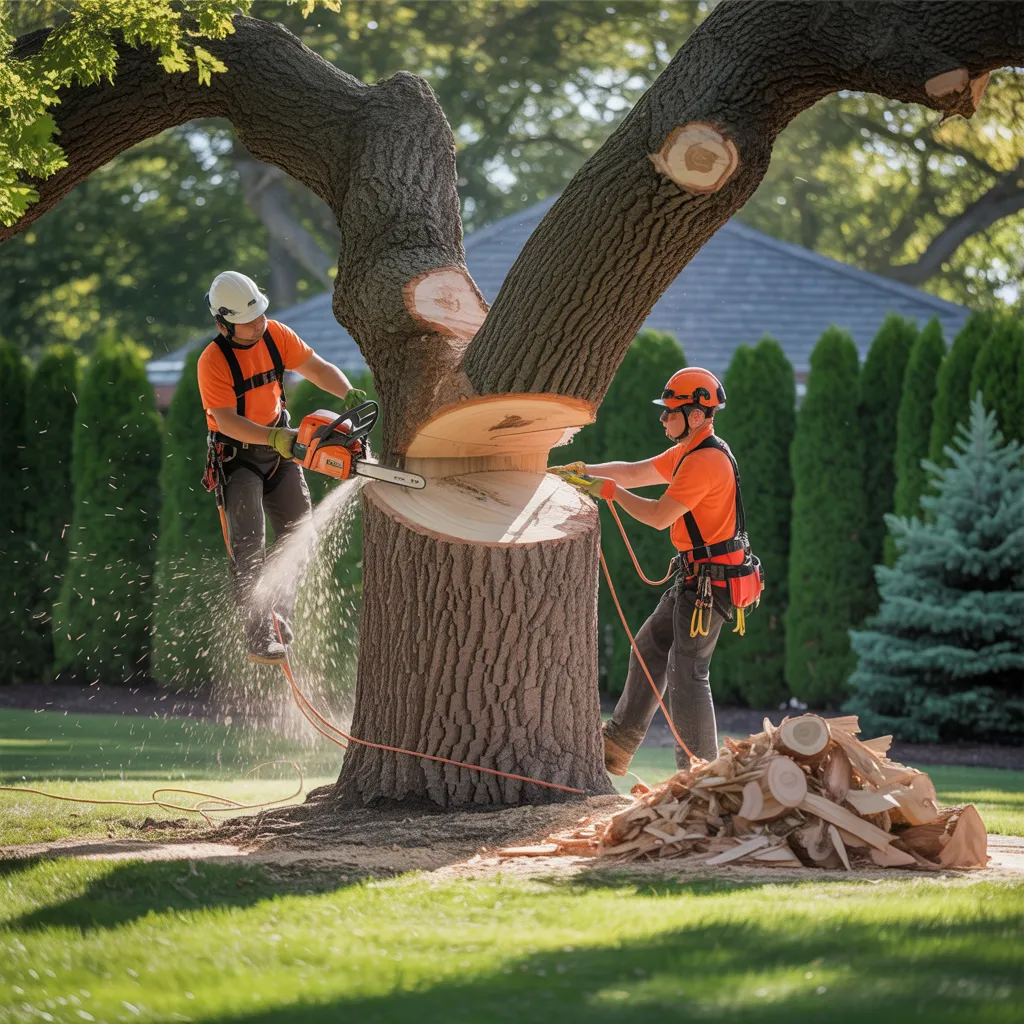
Identifying When Tree Removal Is Required
Furthermore, ecological considerations, including root encroachment on foundations or sidewalks, can require the tree to be removed. In addition, the general visual appeal and spatial factors of a yard may factor into the decision-making process. By evaluating these aspects, property owners can make informed choices regarding removing trees, guaranteeing the safety and aesthetic quality of their property.
Why Tree Removal Is Critical for Safety
When examining the safety of a property, tree removal frequently becomes necessary, particularly when trees pose risks to nearby structures or individuals. Neglected or compromised trees can result in serious dangers, such as falling branches or entire trees collapsing during storms. These occurrences can result in extensive damage to residences, vehicles, and exterior spaces, in addition to threatening the safety of occupants and passersby.
Additionally, trees plagued by pests or diseases may undermine their structural integrity, increasing the chance of unforeseen failures. In urban settings, presence near power lines further amplifies the need for removal, as downed limbs can interrupt electrical services and cause safety hazards.
How Expert Tree Removal Elevates Landscape Aesthetics
Professional tree removal substantially enhances outdoor aesthetic quality by improving visual balance within outdoor spaces. By thoughtfully taking out overgrown or improperly situated trees, homeowners can increase sunlight exposure, encouraging more vigorous development of nearby vegetation. Moreover, a properly managed outdoor space frequently results in increased property worth, rendering professional tree removal an excellent long-term investment.
Improved Visual Balance
A thoughtfully managed landscape often relies on the thoughtful balance of its elements, and tree removal can be instrumental in achieving this harmony. When certain trees develop beyond their intended scope or clash with the overall design, they can disrupt the visual flow of the yard. Skilled tree removal allows homeowners to redefine sightlines and create a more harmonious appearance. This process can bring greater attention to existing features, such as planted areas or landscape structures, allowing them to shine without competition from unruly foliage. Furthermore, the removal of unhealthy or dead trees can reduce unwanted distractions, contributing to a more pristine visual presentation. Ultimately, carefully planned tree removal fosters a sense of order, elevating the attractiveness and charm of the overall landscape.
Greater Sun Exposure
Even though trees supply shade and protection, an overabundance of canopy coverage frequently results in reduced sunlight penetration across a landscape. Skilled tree removal can substantially boost the attractiveness of outdoor environments by enabling more sunlight to filter through. Increased sunlight fosters healthier grass and plants, promoting vibrant colors and growth. Furthermore, it can create a more inviting atmosphere, making outdoor spaces feel larger and more open. Such an improvement can further emphasize the architectural details of the property and refine the overall aesthetic balance of the outdoor space. By strategically removing select trees, homeowners can achieve a harmonious blend of greenery and light, enhancing the enjoyment of their outdoor environment.
Increased Property Value
Professional tree removal can substantially increase property value by elevating landscape aesthetics. Once dead, diseased, or overcrowded trees have been cleared, homeowners can develop a more open and appealing outdoor area. This not only enables greater sunlight access but also draws attention to the existing plants, rendering the yard more groomed and visually pleasing. Skilled tree removal professionals make certain that trees are taken down safely and efficiently, protecting adjacent structures from potential damage. Moreover, a thoughtfully maintained landscape can enhance curb appeal, rendering properties more appealing to interested buyers. Through investing in expert tree removal, homeowners can substantially enhance the visual attractiveness of their outdoor spaces, ultimately driving an increase in total property value and desirability.
What to Look for in a Tree Removal Service
When selecting a tree removal service, what attributes should one look for to guarantee a safe and efficient process? Initially, check the company's certifications, including licensing and insurance. This confirms that the service is legitimate and protects against potential liabilities. Furthermore, evaluate the skill level and knowledge of the team. An experienced crew can properly evaluate the circumstances and complete the removal without harming nearby structures.
Moreover, feedback and testimonials from past clients help gauge the reliability and quality of the company's work. A reliable service provider should also present well-defined and comprehensive estimates and a transparent process, identifying possible risks and approaches. Lastly, inquire about safety procedures and machinery applied during the removal process. Prioritizing these qualities can lead to a smoother experience, verifying that the tree is handled efficiently while preserving safety standards and professionalism throughout.
Garden Upkeep Tips After Removing a Tree
Post-tree removal, homeowners should focus on restoring the landscape to recover its beauty and ecological balance. The initial step requires evaluating the area for leftover roots or debris, that can impede the growth of new vegetation. Removing any remaining stump or wood chips is critical to avoiding pest infestations and making room for new vegetation.
Next, property owners should evaluate the health of their soil. Testing the soil can uncover nutrient deficiencies, enabling the right corrective treatments to encourage new plant growth. Replanting with native or suitable species can contribute to sustaining the natural ecosystem and elevate the overall appearance of the start here landscape. Applying mulch around newly planted vegetation retains moisture and suppresses weeds.
Routine watering and pest monitoring are essential during the early growth stage. Additionally, creating a regular maintenance schedule, including periodic pruning and fertilization, will promote a lush and healthy yard. By implementing these recommendations, property owners can ensure their lawns flourish following the removal of trees.
Debunking Myths About Tree Removal Services
Within the realm of tree removal services, several misconceptions frequently arise that may lead homeowners astray. These myths often overlook vital aspects such as safety concerns and the ecological consequences of removing trees. By addressing these common misunderstandings, greater insight into professional tree removal practices can be achieved.
Widespread Myths and Misconceptions Debunked
Common myths surrounding tree removal services commonly distort public perception, causing homeowners to avoid seeking expert guidance. A common misconception is that tree removal is inherently hazardous and must only be handled by certified professionals. While it's true that safety is paramount, numerous trees can be safely taken down using the right methods and tools. Another misconception is that tree removal guarantees increased property value; though in reality, this depends heavily on a range of different factors. Additionally, some believe that removing a tree will result in a barren yard, however, experienced arborists can elevate the visual appeal of a yard through strategic planning. At its core, correcting these false beliefs helps property owners approach tree removal decisions with greater knowledge and assurance.
Safety Concerns Neglected
Contrary to popular belief that tree removal is a simple process, many homeowners fail to recognize the dangers involved. The process is far more complex than cutting down a tree; it necessitates skill to address potential hazards such as falling branches, electrical lines, and unstable ground. Inexperienced persons often overlook these dangers, resulting in injuries or property damage. Additionally, the use of heavy equipment requires specific knowledge to handle properly. False beliefs continue that hiring professionals is not required, yet experienced tree removal services are outfitted with the right tools and safety protocols to mitigate risks. Dismissing these safety concerns can have dire consequences, making it essential for homeowners to understand the complexities of tree removal before trying it on their own.
Myths About Environmental Impact
While many believe that tree removal inevitably has a negative impact on the environment, this perspective often overlooks important factors. When conducted properly, tree removal can foster ecological stability. For instance, the elimination of dead or diseased trees helps curb the spread of harmful pests and diseases, protecting the nearby plant life. Additionally, strategic tree removal can enhance sunlight exposure for healthier plants and improve soil quality by reducing competition for nutrients. Beyond this, following tree removal, eco-friendly efforts like replanting or incorporating native species into landscaping can significantly boost biodiversity. Misconceptions claiming that tree removal is always harmful fail to acknowledge the advantages of deliberate action, showing that properly executed tree removal can have beneficial environmental effects. Grasping these distinctions is vital for making well-informed choices about tree management.
Questions We Are Often Asked
How Much Does It Usually Cost to Remove a Tree?
Tree removal typically costs between $300 and $2,000, based on factors including the size of the tree, its location, and the difficulty of the work. Additional fees may arise for stump removal or challenging access conditions.
Will Homeowners Insurance Pay for Tree Removal?
The removal of trees may be part of a homeowners insurance policy, depending on the details of the policy and the reason for removal. It's essential for homeowners to thoroughly review their coverage and consult with their insurance company for further guidance.
How Long Does It Take to Complete the Tree Removal Process?
The tree removal process usually takes several hours up to a full day, depending on the tree's complexity, size, and specific location. Considerations including the availability of crew and equipment can also impact the total time required.
Can I Remove a Tree Myself?
Removing a tree personally is possible, but it requires significant knowledge, skill, and safety precautions. Several considerations, including the dimensions and position of the tree, impact the determination. Expert help is frequently advised to ensure safety and correct methodology.
What Permits Are Needed for Tree Removal?
Municipal rules typically govern the necessary permits for removing trees. Typically, residents must review local regulations, as permits might be necessary for particular tree varieties, measurements, or if the tree is located in designated protected zones.